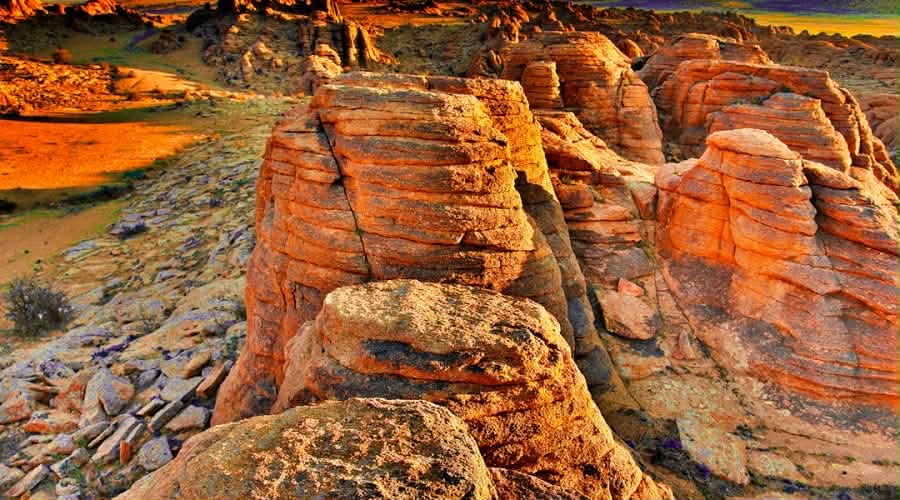
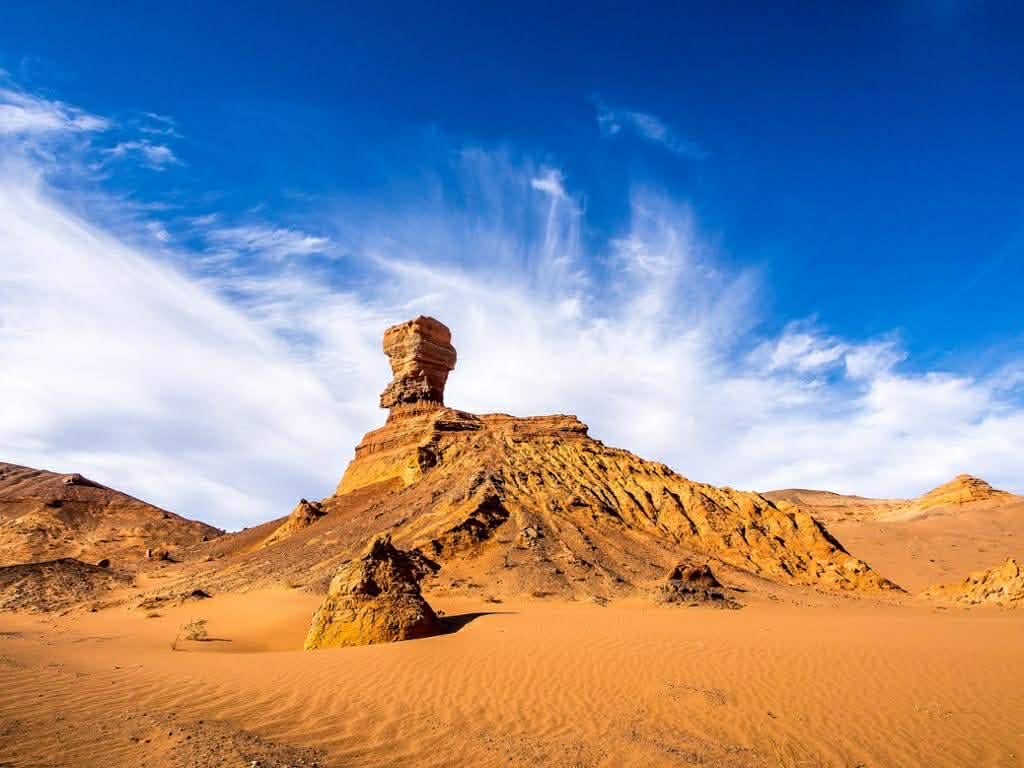
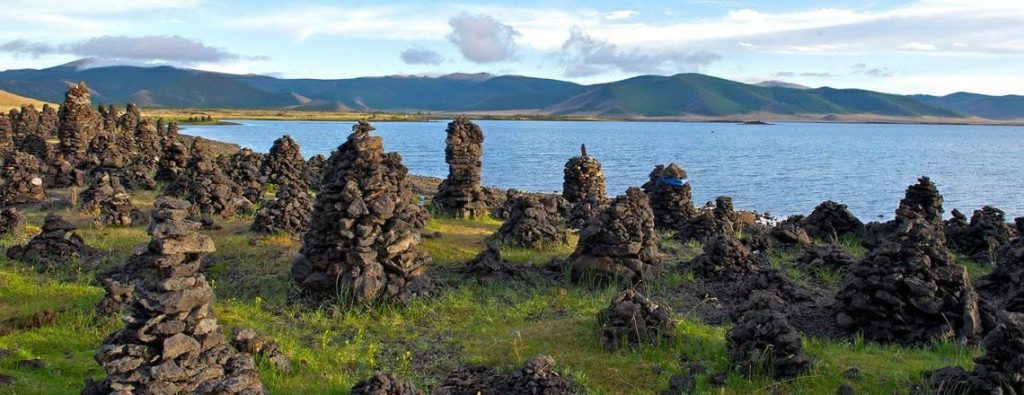
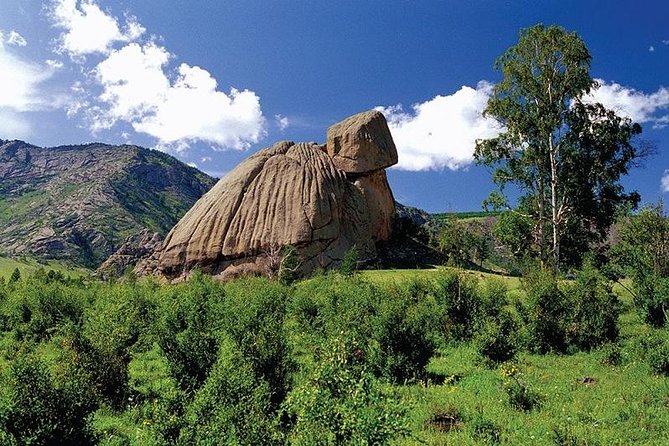
 First thing in the morning, we will drive to visit Baga gazar stone.You will see beautiful and wonderful stone mastif and wild sheep. In the 19th century, two respected lamas lived here, and we still can see their inscriptions in the rock. According to the legend, Genghis Khan too is supposed to have lived in this wonderful area with beautiful scenery. We will be overnight in the tourist camp.
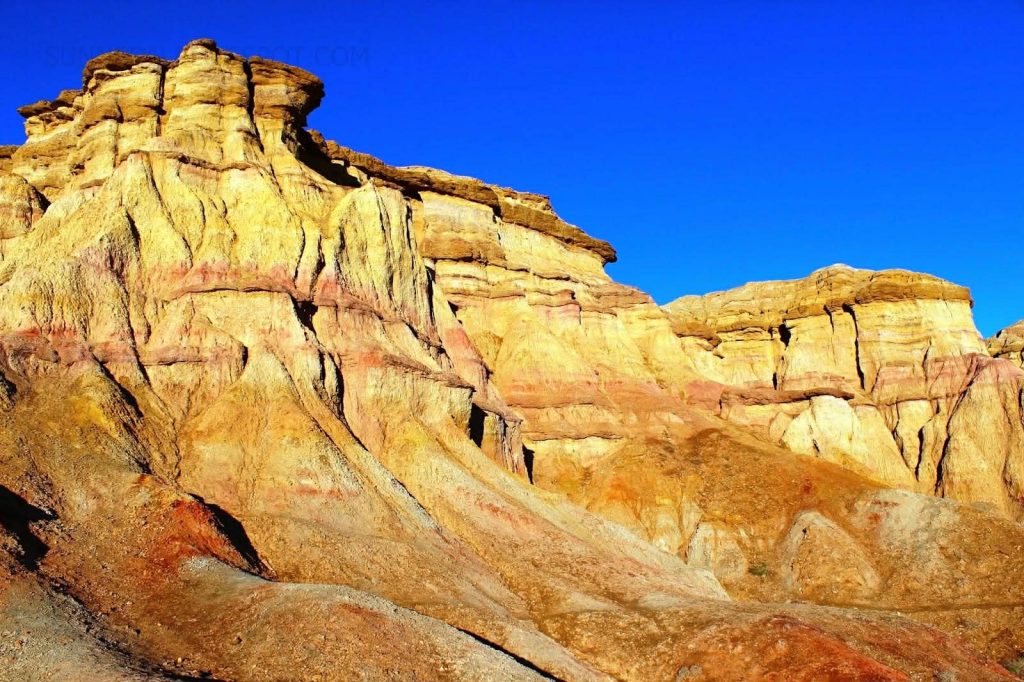
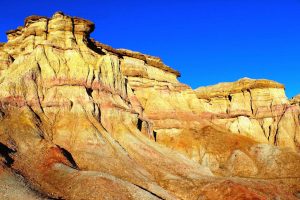 We travel in one of the emptiest areas of Mongolia. Between rock desert and semi-arid steppes, we reach the white stupa, Tsagaan Suvarga. For centuries, this 30-metres (98,43 feet) high, abrupt, stupa-shaped mountain, is honored by the Mongolians. The traveler will be surprised by the sumptuous lunar landscapes that evoke the end of the world, and by the many fossils. This area was totally covered by the sea a few million years ago.Overnight in the tourist camp.
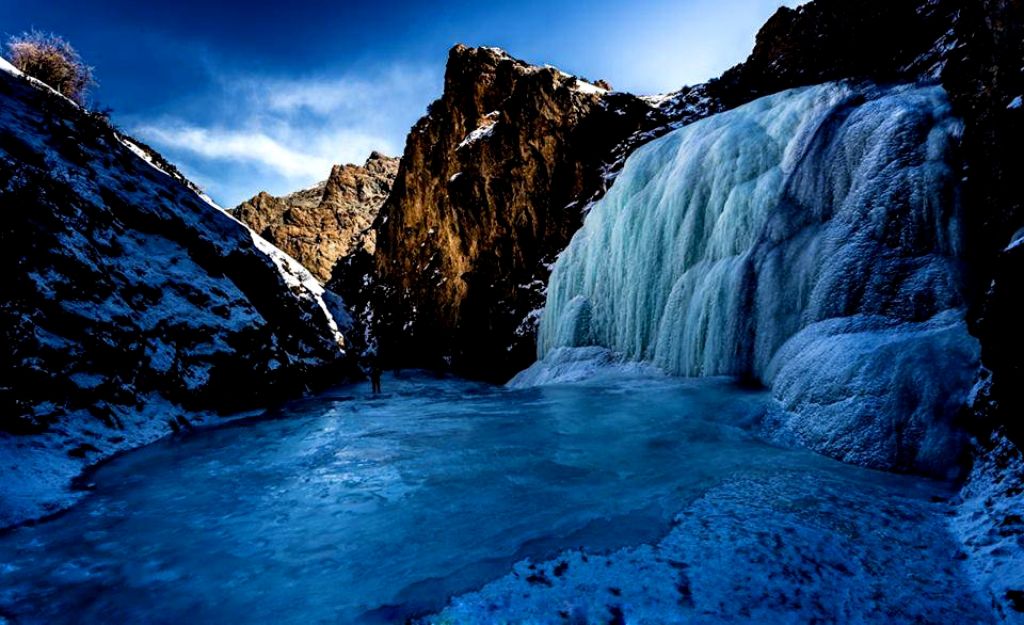
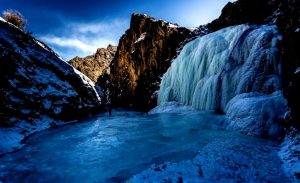 Hiking in the canyon of Yol, the bearded vultures canyon. We will walk in the bottom of the canyon that is covered with perpetual snow. The canyon is so steep-sided, that sunrise make the ice melt only in August. The rest of the year, there’s ice everywhere in the canyon.Overnight in the tourist camp.
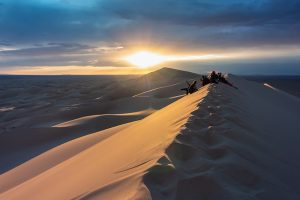
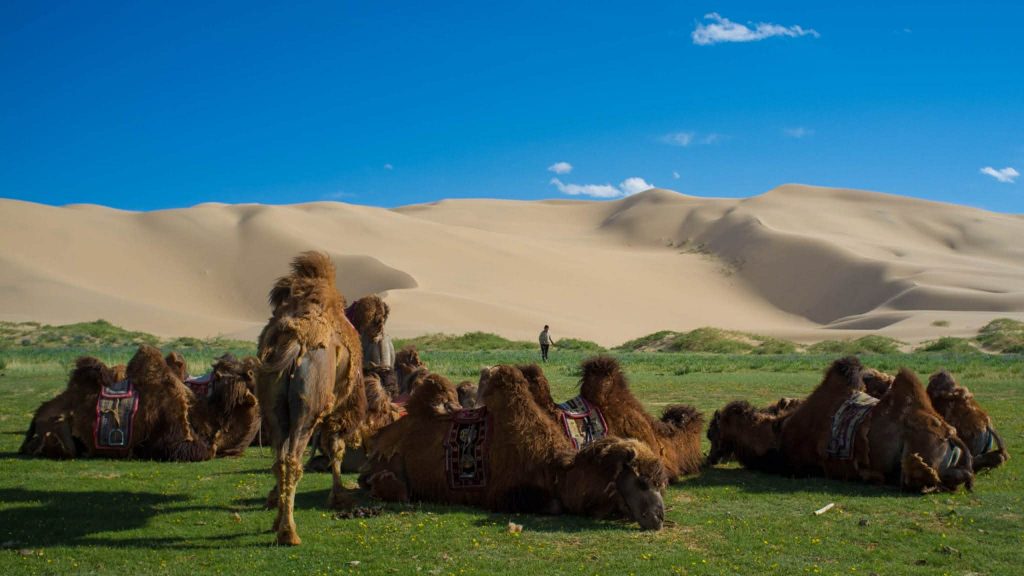
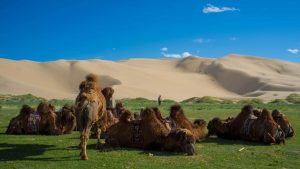 Khongor sand dunes are 130km from Canyon of Yol. Khongor sand dunes are the most important sand mass of Gobi Gurvan Saïkhan National Park. Its area is more than 900 square kilometers. It’s one of the largest sandy areas of Mongolia.Overnight in the tourist camp.
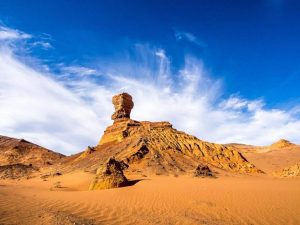 Hiking in the canyon of Yol, the bearded vultures canyon. We will walk in the bottom of the canyon that is covered with perpetual snow. The canyon is so steep-sided, that sunrise make the ice melt only in August. The rest of the year, there’s ice everywhere in the canyon.Overnight in the tourist camp.
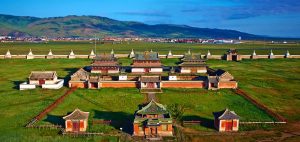
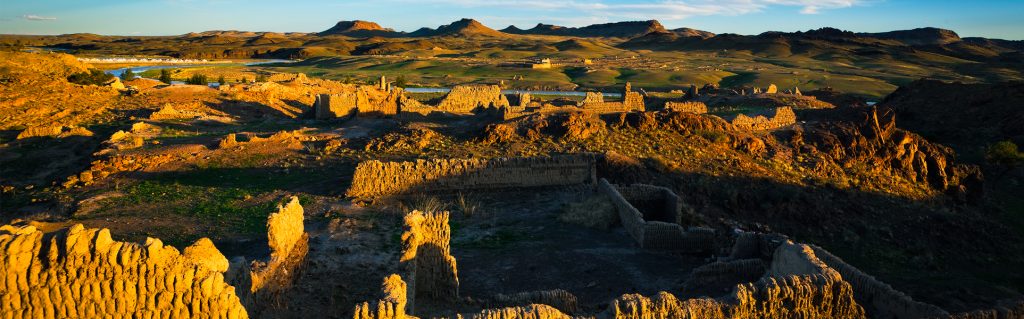
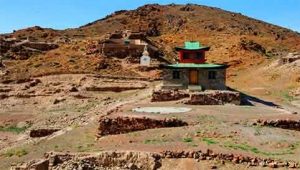 The ruins of Ongi Monastery are located on the eastern bank of a beautiful bend of the Ongi River, where water and vegetation are harmoniously combined, on the slopes of Saikhan-Ovoo Mountain in Saikhan-Ovoo soum, Dundgovi Province.
Ongi Monastery is known in Tibetan as “Gundjambaalin Monastery,” which means “The Universal Giver.” It was built between 1760 and 1810 by the reincarnated lama Ishdonilkhuundev and his disciple, Bari Lama Damtsagdorj.
At its peak, the monastery complex consisted of 28 temples and housed more than 1,000 monks. About 15 km away, along the banks of the Ongi River, there was another monastery called “Khoshuu Khural Monastery.” Together with the Khutagt Lama’s Monastery built on the western side and Khamba Lama Damtsagdorj’s Monastery built on the eastern side, they were collectively known as “The Three Ongi Monasteries.”
Ongi Monastery had four educational colleges (datsans), where monks studied Buddhist philosophy, tantric meditation, traditional medicine (Manba), and mathematics. The last abbot of the monastery, Lama Luvsandorj, was arrested in 1937.
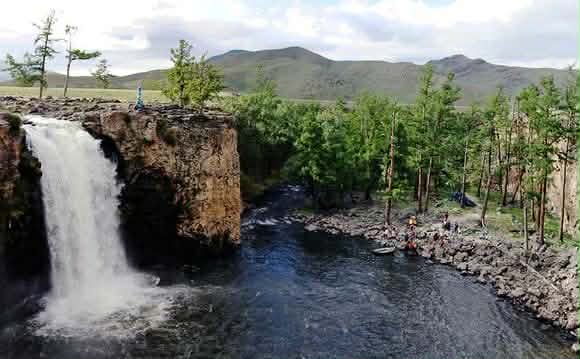
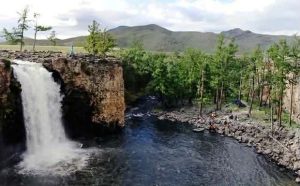 The waterfall has a height of 24 meters, while its width varies between 25 and 50 meters depending on the water level of the Orkhon River, making it the widest waterfall in Mongolia. It is located 20 km west of the center of Bat-Ölzii soum.
Ulaan Tsutgalan (Orkhon) Waterfall is one of the major tourist destinations in Mongolia.
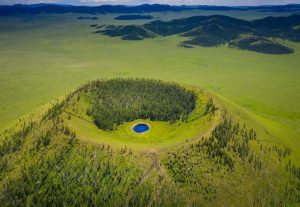
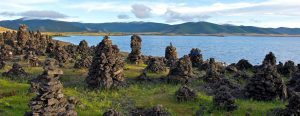 Terkhiin Tsagaan Lake is a freshwater lake formed when the flows of the North and South Terkhiin Rivers, originating from the Khangai Mountain Range, were blocked by solidified lava.
A small island lies in the middle of the lake, serving as a nesting ground for birds where they lay eggs. Even black geese can be seen during summer, diving up to 5 meters deep to feed on fish.
The lake’s only outlet becomes the Suman River, which flows for about 50 km before joining the Chuluut River.
Location and Scenic Features
Province / Soum: Arkhangai Province, Tariat Soum
Elevation: 2,060 meters above sea level
Length: 16 km
Width: 4–10 km
Area: 61 km²
Average depth: 20 m
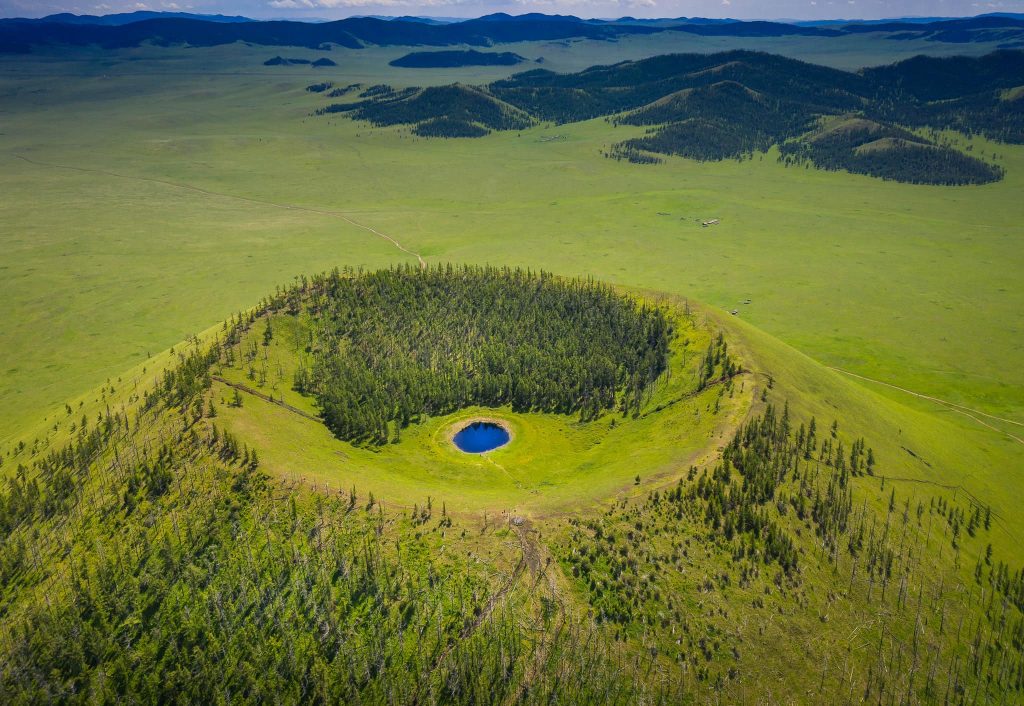
The surroundings of the lake feature remarkable natural formations such as Khorgo Volcano, lava stone fields, craters, gorges, and ravines.
Terkhiin Tsagaan Lake is located approximately 660 km from Ulaanbaatar, accessible by paved road.
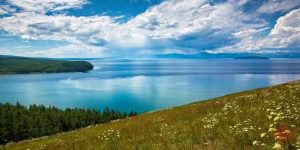 Shine-Ider (Mongolian: Шинэ-Идэр) is a sum of Khövsgöl aimag. The area is about 2,050 km2, of which 1,700 km2 are pasture. In 2000, the sum had 4348 inhabitants, mainly Khalkha. The sum center, officially named Erdenet (Mongolian: Эрдэнэт), is located 123 km south-southeast of Mörön and 839 kilometers from Ulaanbaatar.
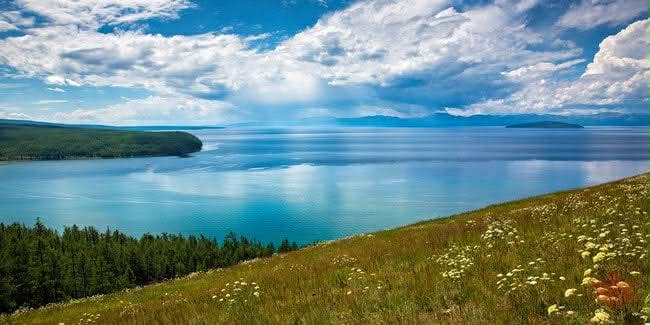
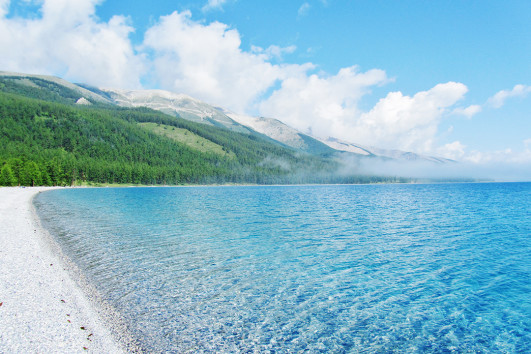
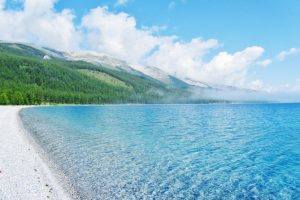 Lake Khövsgöl, also known as the Khövsgöl Sea, is the oldest and deepest freshwater lake in Mongolia. It is over two million years old and is rich in legends, history, and cultural heritage. Geological and Natural History Lake Khövsgöl is located in the northern part of Mongolia, at an elevation of 1,645 meters above sea level. It is one of the 17 ancient lakes in the world, with its formation estimated at more than two million years ago. Like Lake Baikal, it is an extremely fragile ecosystem, naturally renewing itself only once every 500 years.
The surrounding Khövsgöl Mountains, formed by ancient glaciation, play a vital role in preserving the lake’s exceptional water purity. Lake Khövsgöl contains approximately 75% of Mongolia’s freshwater resources and about 0.5% of the world’s freshwater, making it one of the most significant freshwater ecosystems on Earth.
A total of 46 rivers and streams flow into the lake, while only one river, the Egiin Gol, flows out, connecting Lake Khövsgöl to the Selenge River and eventually to Lake Baikal.
The local ecology is unique, as the area lies within a transition zone between the Siberian taiga forest and the Central Asian steppe. This geographical position supports rich biodiversity and helps maintain the lake’s pristine freshwater quality.
 The province (or aimag) is surrounded by Russia (Buryatia) to the north, the Khövsgöl Province to the northwest, Arkhangai to the southwest, Övörkhangai to the south, Töv to the southeast, and Selenge to the northeast. The small Orkhon Province forms an enclave at the border with Selenge.
The north of the aimag is characterized by alpine forests, gradually blending into the arid steppe plains of the central Mongolian highland. The main rivers are the Orkhon and the Selenge, the first of which enters the aimag from Övörkhangai, while the second enters from Khövsgöl Province. As a result, southern and central Bulgan is one of Mongolia’s few arable regions.
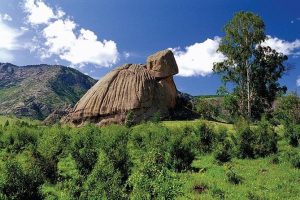
Gorkhi Terelj National Park is located 65 km northeast of Ulaanbaatar by paved road. High granite stone mountains with forest-covered northern slopes, multitudes of wildflower meadows along with the spectacular shape rocks formed by wind is a favorite scenery for the visitors. Fast-flowing rivers and streams make the national park more beautiful.
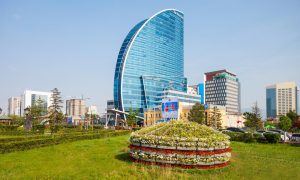
Ulaanbaatar City – The Heart of Mongolia
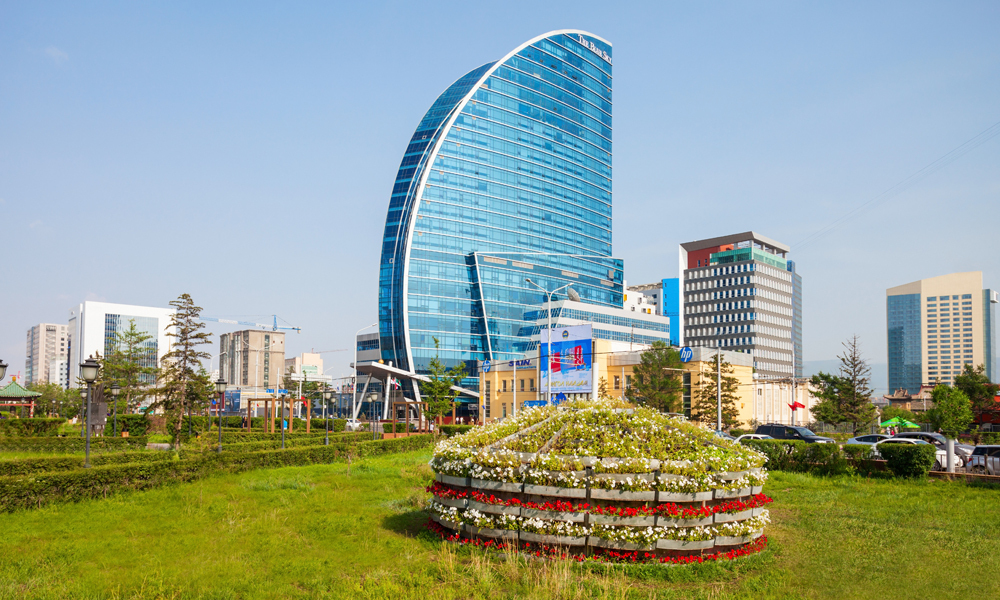
Ulaanbaatar, the capital city of Mongolia, is the country’s cultural, political, and economic center. Located in the Tuul River valley and surrounded by four sacred mountains, the city blends ancient nomadic traditions with modern urban life. Visitors can explore historical sites such as Gandan Monastery, the National Museum of Mongolia, and Sukhbaatar Square, while enjoying vibrant cafes, art galleries, and local markets.
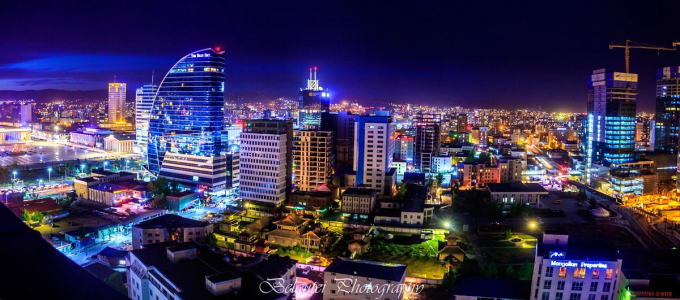
Ulaanbaatar is also the main gateway to Mongolia’s vast steppes, deserts, and national parks, making it an essential starting point for any journey across the country.