The third largest city in Mongolia
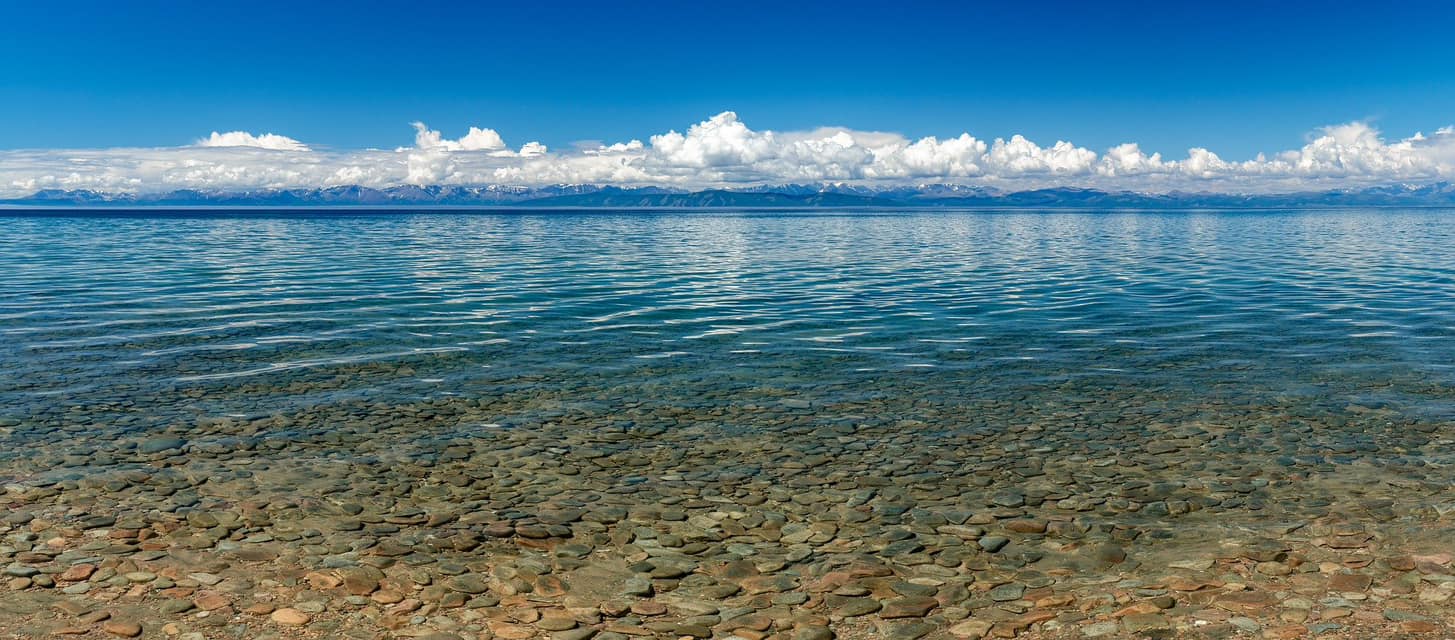
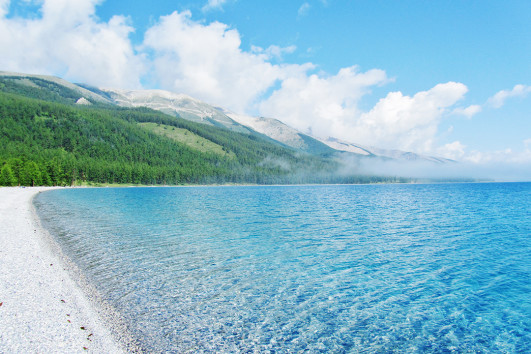
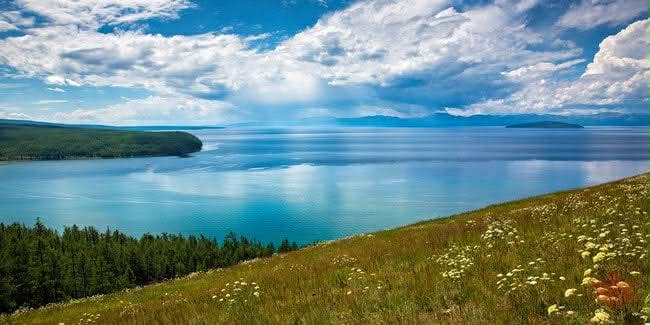
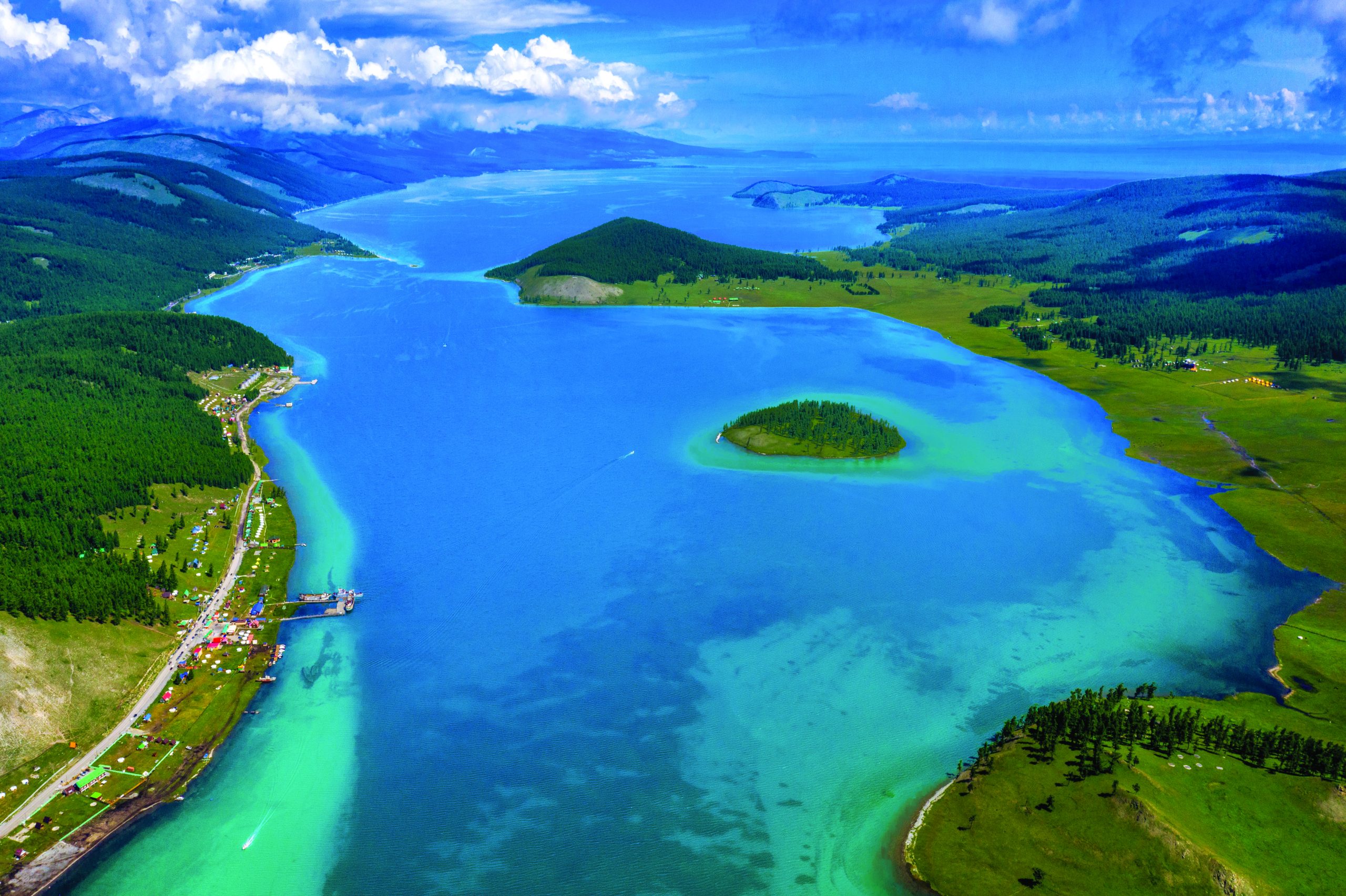
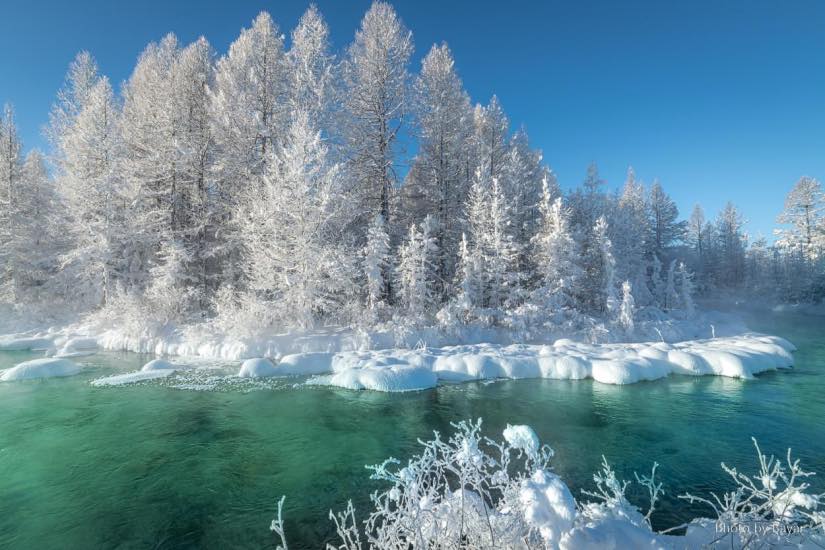
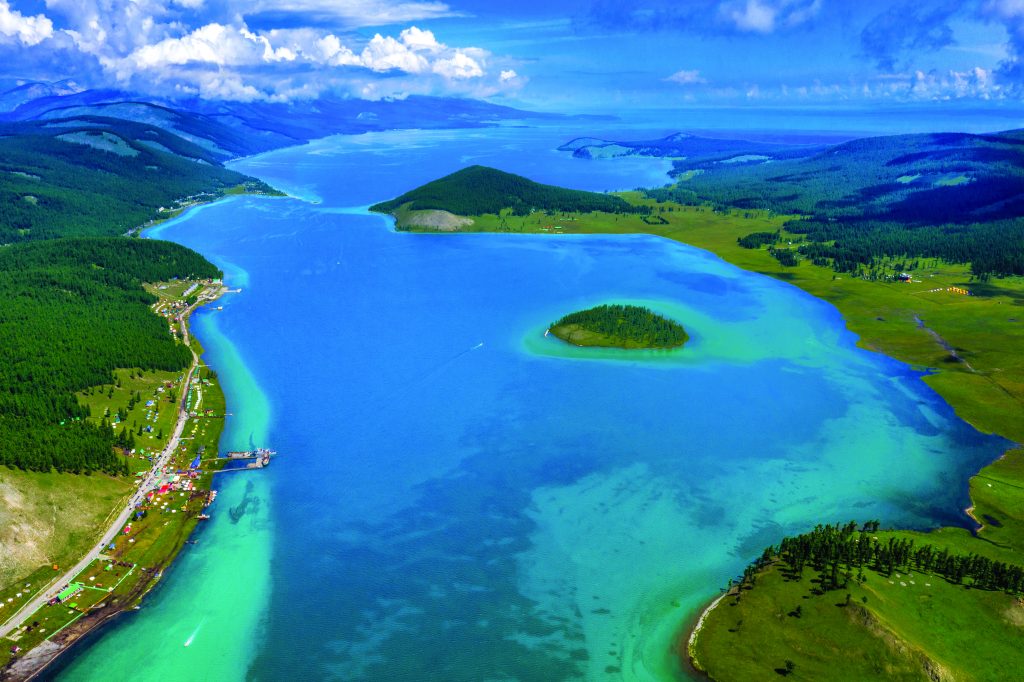
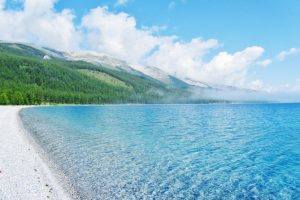 Lake Khövsgöl, also known as the Khövsgöl Sea, is the oldest and deepest freshwater lake in Mongolia. It is over two million years old and is rich in legends, history, and cultural heritage. Geological and Natural History Lake Khövsgöl is located in the northern part of Mongolia, at an elevation of 1,645 meters above sea level. It is one of the 17 ancient lakes in the world, with its formation estimated at more than two million years ago. Like Lake Baikal, it is an extremely fragile ecosystem, naturally renewing itself only once every 500 years.
The surrounding Khövsgöl Mountains, formed by ancient glaciation, play a vital role in preserving the lake’s exceptional water purity. Lake Khövsgöl contains approximately 75% of Mongolia’s freshwater resources and about 0.5% of the world’s freshwater, making it one of the most significant freshwater ecosystems on Earth.
A total of 46 rivers and streams flow into the lake, while only one river, the Egiin Gol, flows out, connecting Lake Khövsgöl to the Selenge River and eventually to Lake Baikal.
The local ecology is unique, as the area lies within a transition zone between the Siberian taiga forest and the Central Asian steppe. This geographical position supports rich biodiversity and helps maintain the lake’s pristine freshwater quality.
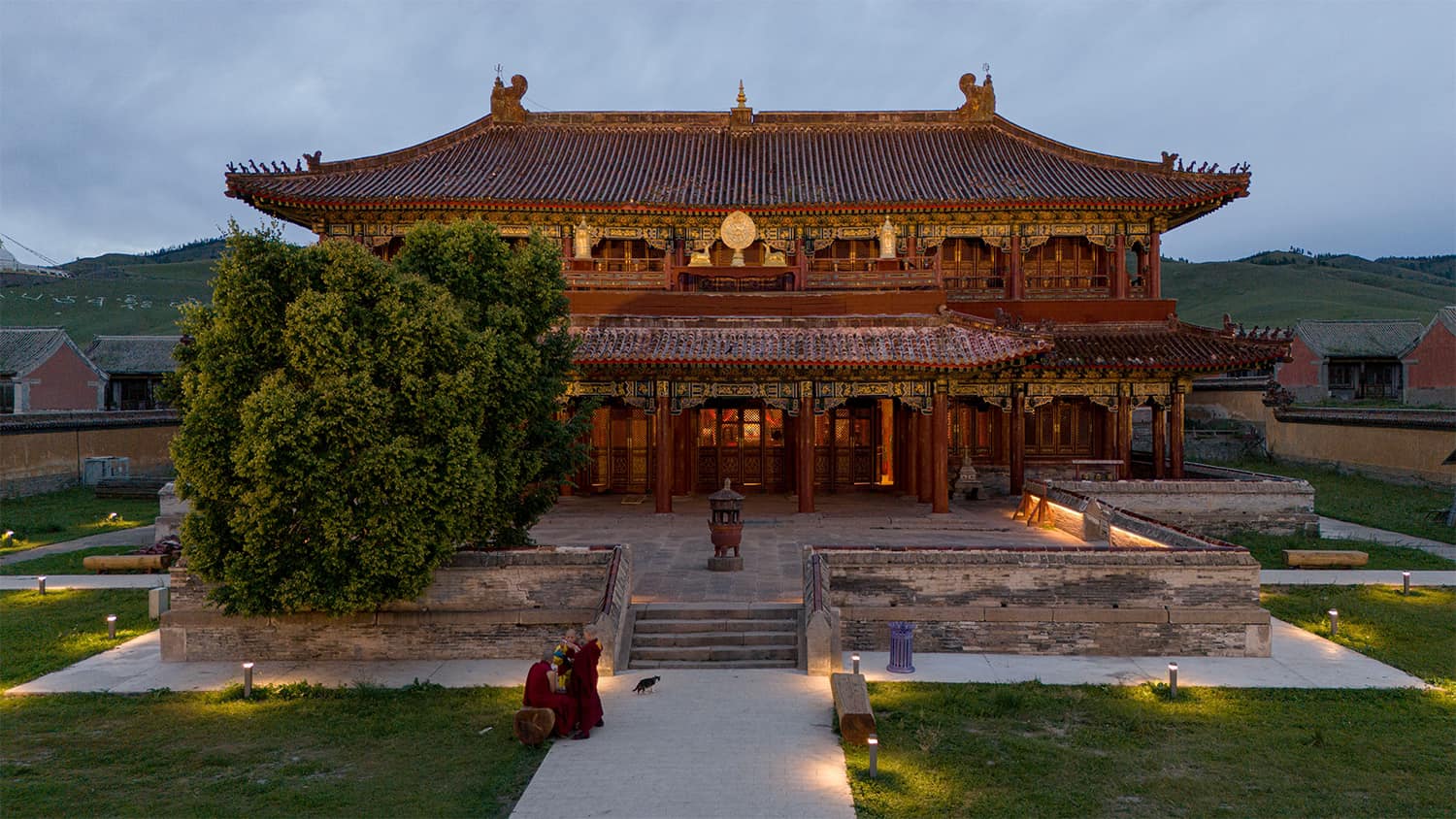
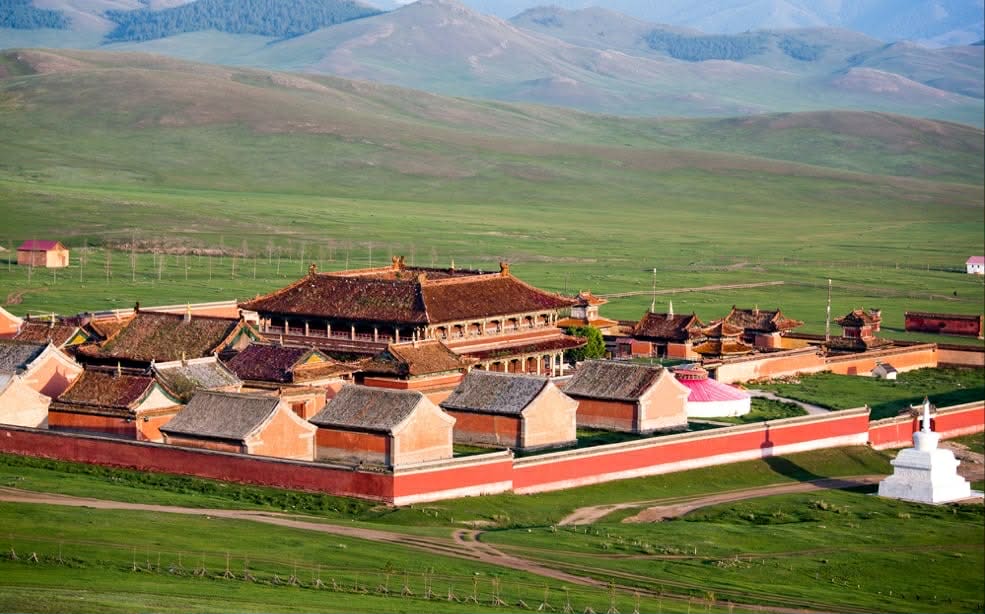
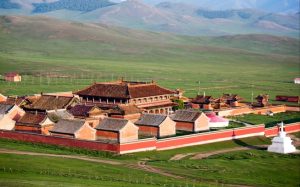 It is located at the source of the Iven River, on the southern slope of Burenkhaan Mountain in Selenge Province. In honor of the great deeds, wisdom, talent, and artistic mastery of Zanabazar (G. Zanabazar), the First Bogd of Mongolia, the Qing Emperor Kangxi issued a decree in 1725 to build a monastery dedicated to him, allocating 100,000 taels of silver from the state treasury.
In 1726, many skilled Mongolian craftsmen began the construction using bricks and timber, and the monastery was completed in 1737.
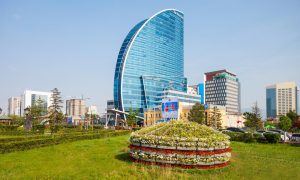
Ulaanbaatar City – The Heart of Mongolia
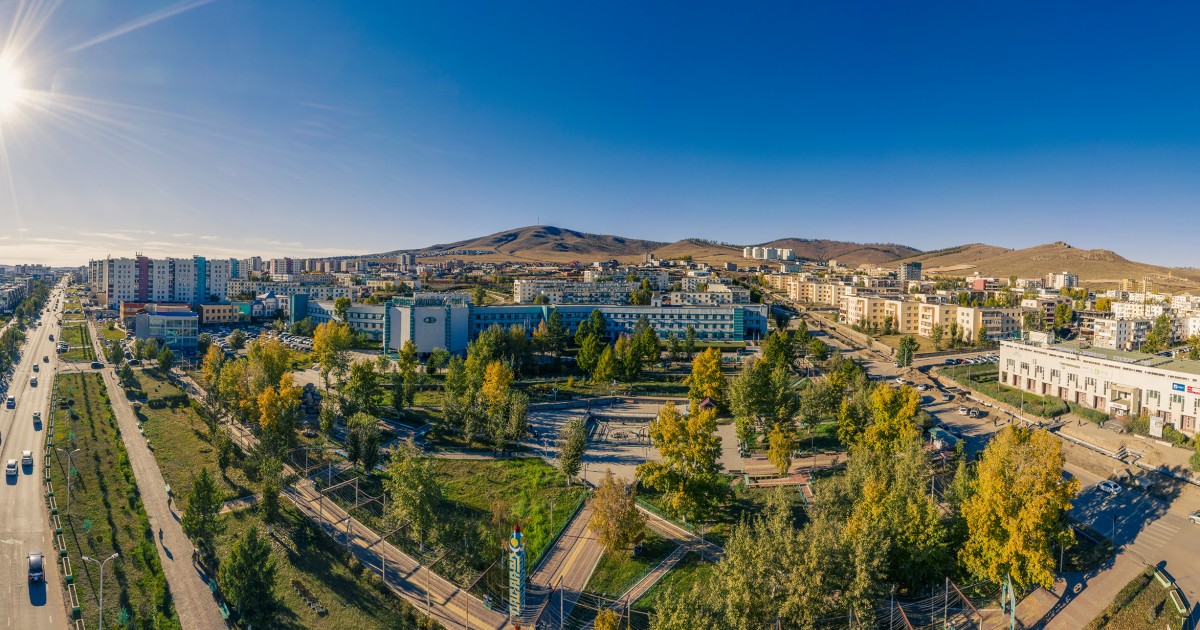
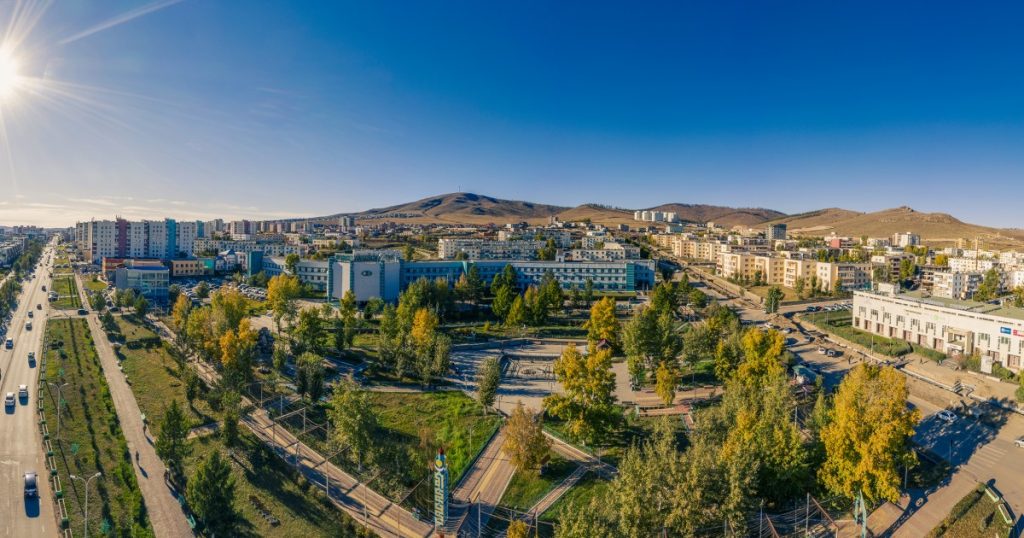
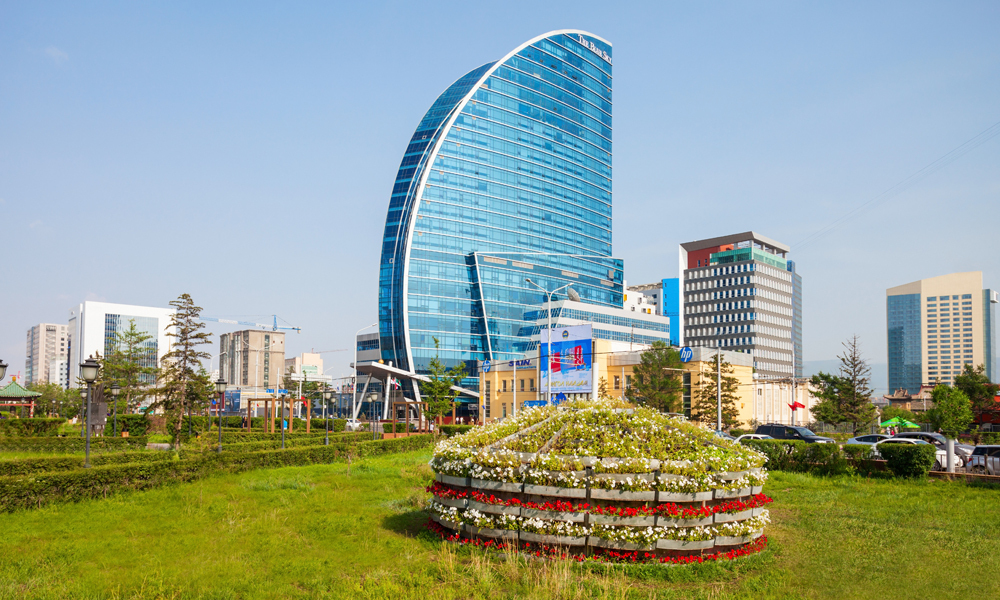
Ulaanbaatar, the capital city of Mongolia, is the country’s cultural, political, and economic center. Located in the Tuul River valley and surrounded by four sacred mountains, the city blends ancient nomadic traditions with modern urban life. Visitors can explore historical sites such as Gandan Monastery, the National Museum of Mongolia, and Sukhbaatar Square, while enjoying vibrant cafes, art galleries, and local markets.
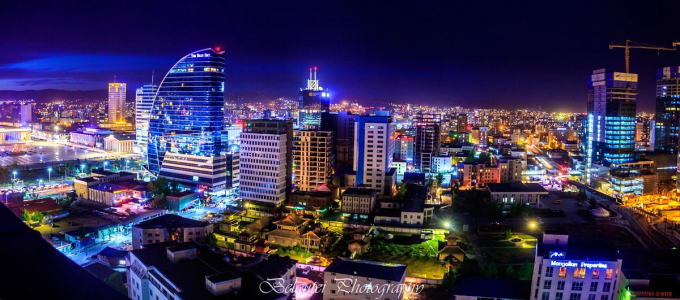
Ulaanbaatar is also the main gateway to Mongolia’s vast steppes, deserts, and national parks, making it an essential starting point for any journey across the country.