Mongol Naadam: Origins, History, and Cultural Significance
The Mongol Naadam Festival is a vivid expression of Mongolia’s rich history and cultural heritage, proudly representing the identity of the Mongolian nation to the world. Naadam symbolizes the sun, moon, and fire, which in Mongolian tradition represent eternal happiness, unity, statehood, harmony, and national pride.
The Mongol Naadam, also known as the Three Games of Men, originates from the ancient Khunnu (Xiongnu) Empire. During that time, Naadam festivals were organized to strengthen unity among fraternal tribes and to improve the military skills and physical strength of warriors.
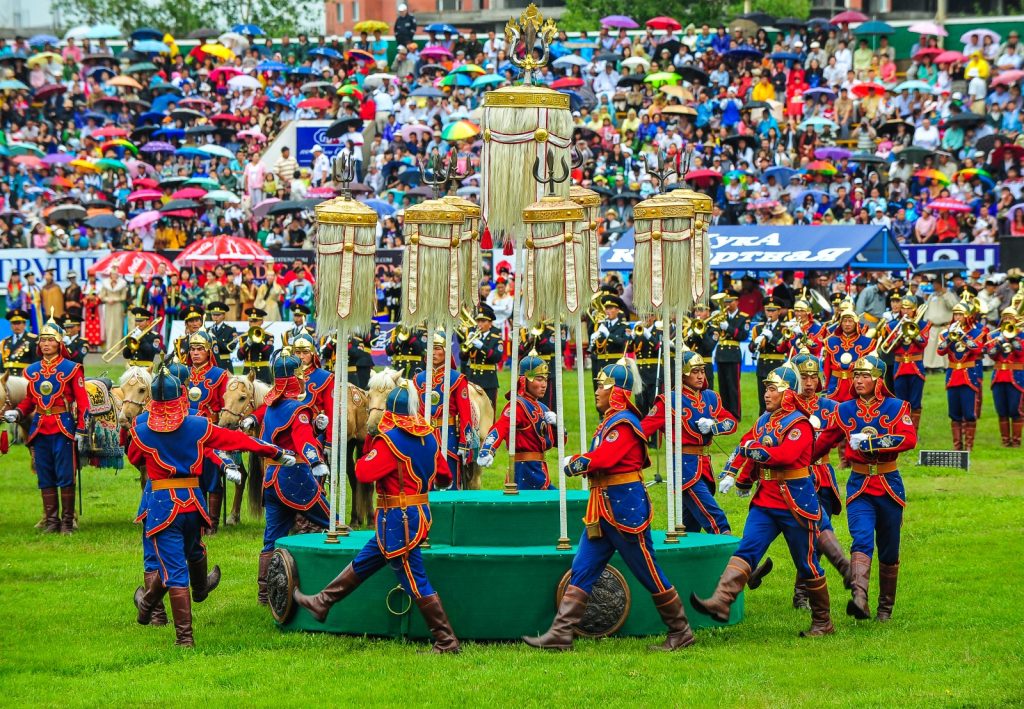
Today, National Naadam is celebrated annually throughout Mongolia on July 11th, 12th, and 13th. The festival features traditional competitions including Mongolian wrestling, horse racing, archery, and knucklebone shooting, preserving centuries-old traditions and showcasing the spirit of the Mongolian people.
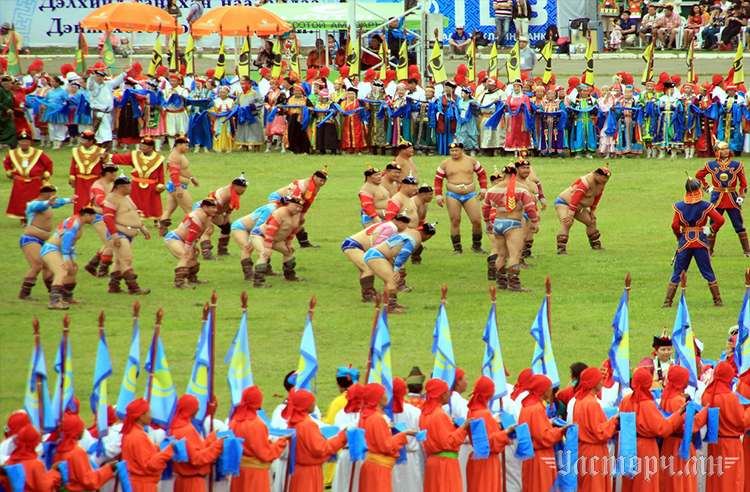
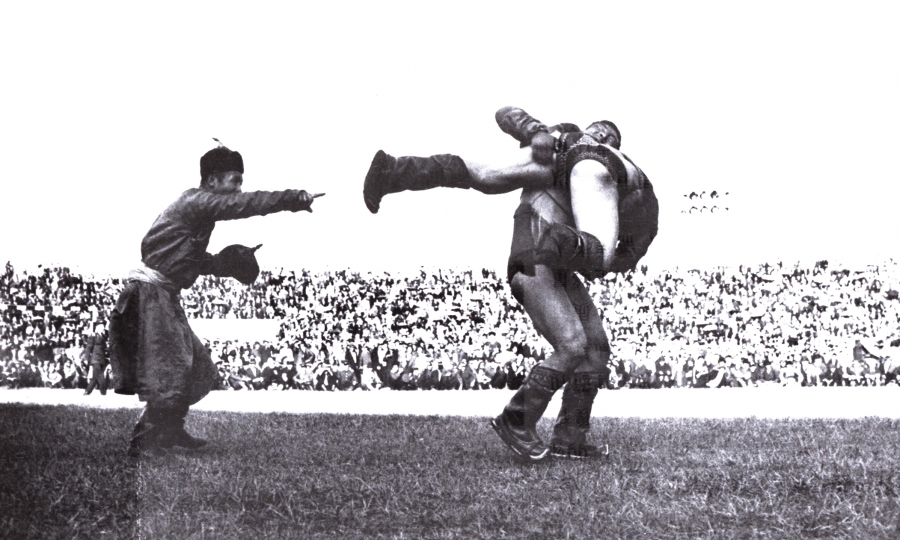
Wrestling
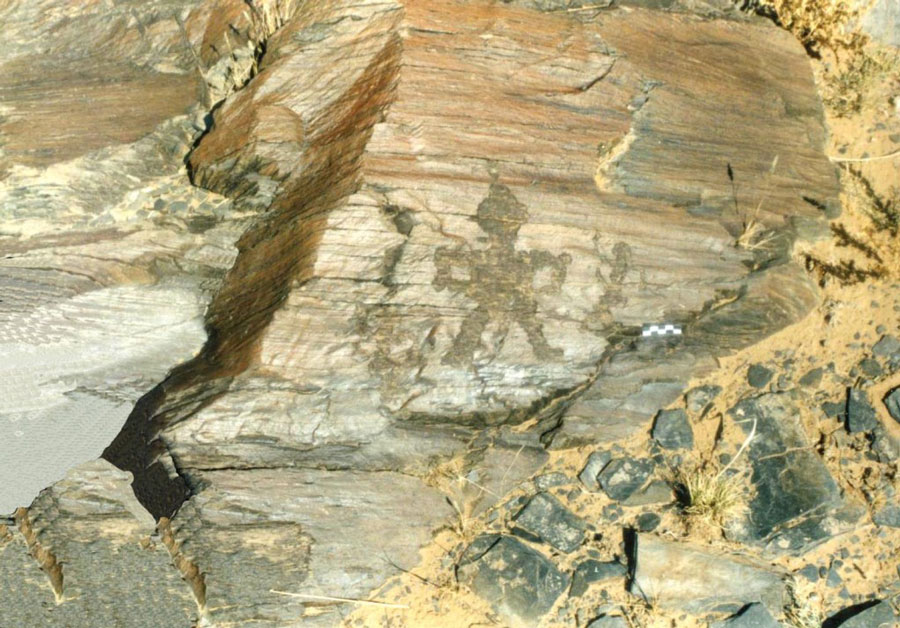
Researchers have proposed that a petroglyph depicting two men facing each other at the Del Uul Petroglyph Complex in Ulziit soum, Dundgovi Province, represents an early form of wrestling. This petroglyph dates back 7,000–11,000 years, or to the Bronze Age, and is considered significant evidence of the ancient origins of wrestling.
Mongolian national wrestling is an invaluable cultural heritage that embodies strength, bravery, skill, and technique. It is a traditional sport and cultural legacy that must be preserved and passed down from generation to generation.
Modern Mongolian Wrestling: Significance and Values
Modern Mongolian wrestling remains deeply rooted in ancient traditions while continuing to play an important role in contemporary Mongolian society and culture. It is not merely a test of physical strength, but a reflection of national values such as bravery, endurance, respect, and fairness. Today, Mongolian wrestling stands at the heart of the National Naadam Festival and many local celebrations, serving as a vital means of passing down traditions and fostering patriotism among younger generations. The rituals, attire, titles, and ranks associated with wrestling represent Mongolia’s rich cultural heritage and enduring national pride.
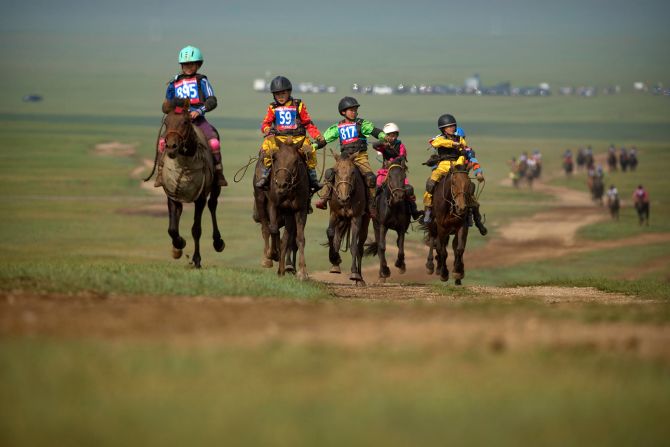
Horse racing
Mongolians have practiced the domestication of the five types of livestock for centuries and have always held a deep spiritual respect for horses. Life on the steppe—daily herding, long-distance travel, and even the historic era of world conquest—would be unimaginable without the Mongol horse. Over generations, herders developed exceptional traditional knowledge in identifying fast racehorses and training them, skills refined through centuries of nomadic life. The tradition of horse racing at festivals dates back to the early domestication of horses, approximately 5,000–6,000 BCE. While regional racing customs once varied, since 1899 horse racing has been officially organized and regulated according to the age of the horses.
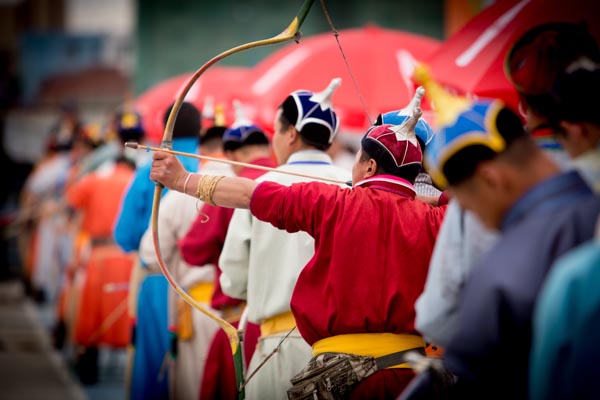
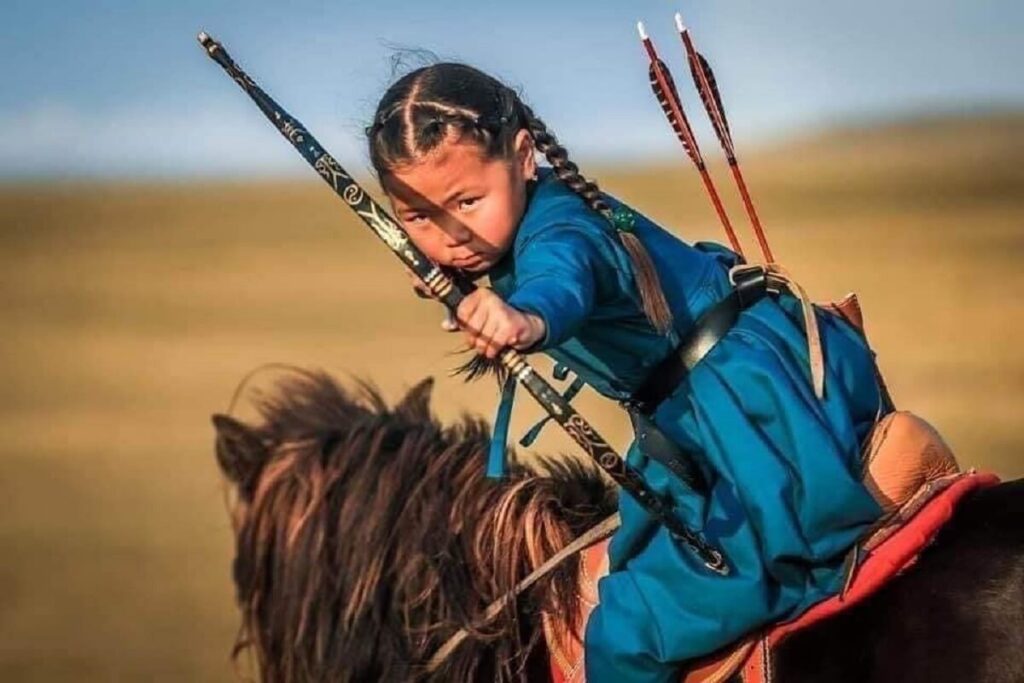
Archery
Archery is one of the oldest national sports and a cultural heritage with a rich history. The bow and arrow, one of the main hunting tools of the Stone Age, and from the Khunnu (Xiongnu) period its crafting shape has changed over time and found its present type. Over the years, archery has developed and become more sophisticated, and it has three types, including in line, in group, and in distance. Today, archery is being practiced in three types: Khalkh, Uriankhai, and Buryat. Uriankhai and Buryat archery is being shot by only men, while in Khalkh archery, both genders are eligible to participate.
Knucklebone shooting
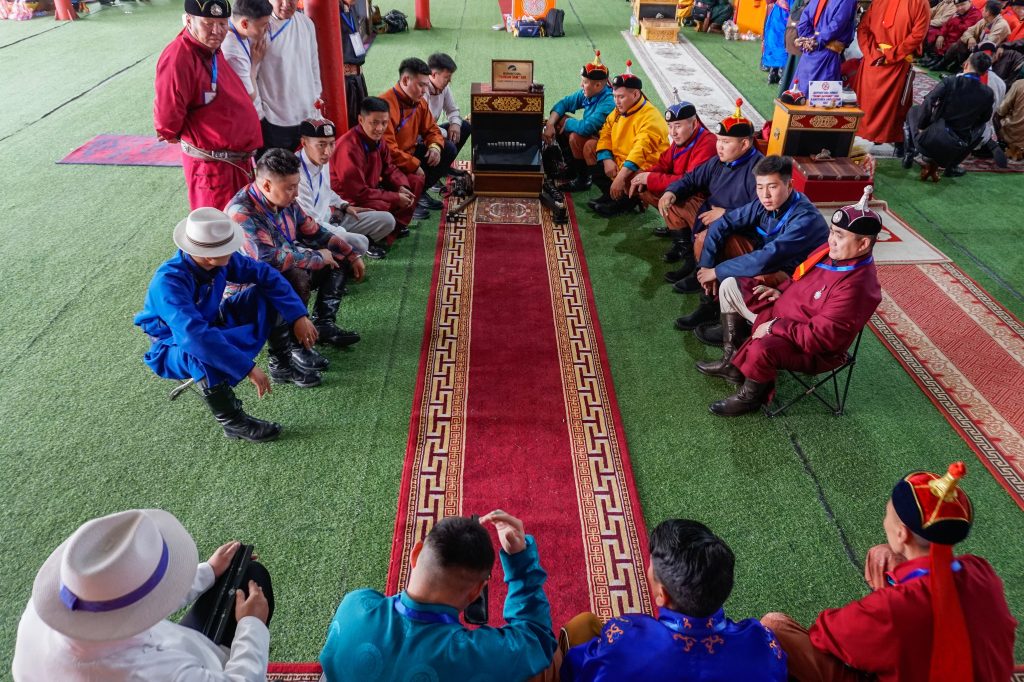
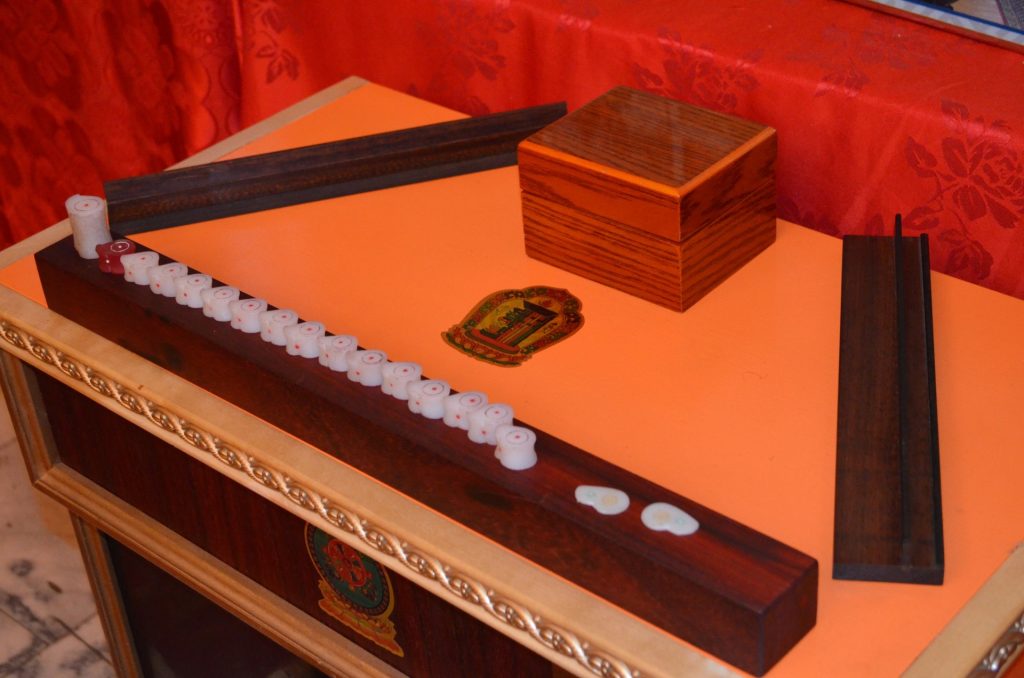
The knucklebone games originated when the Mongols began the domestication of the livestock. Looking at the pages of history, Mönkh khan made the decision that his soldiers should shoot the knucklebone in non-war times, in order not to lose the power of the thumbs. Another aim of this decision was to give them sensitivity, endurance, courage, and skill. Several Mongolian traditional games of knucklebone shooting, “horse racing”, “multi-color turtle or alag melkhii uruh”, “durvun berkh or set four difficult”, and “tsagaan temee tsohih” were being played and evolved into the traditional sport and game of Knucklebone shooting.
Chronology
I-II century BC – According to Chinese historical sources, the Naadam has originated from the period of the foundation of the Khunnu empire.
1639 – The first “Danshig Naadam” was organized to celebrate the coronation for “Undur Gegeen Zanabazar” as religious leader of Khalkh Mongol.
1772 – The Khentii Mountain Festival was renamed to “Naadam of Arvan Zasag” and has been an annual state festival since 1912.
1925 – The “Naadam of Arvan Zasag” was organized until the death of the Bogd Khan in 1925.
1922 – The Government started to organize the “Naadam of People’s State” in 1922, along with the “Naadam of Arvan Zasag”.
1925 – After the establishment of the People’s Republic of Mongolia, the Government has made decision to integrate two Naadams in May 15, 1925 and set the official date as 11 July.
1946 – the highlight “Anniversary of the Victory of the People’s Revolution” was added.
2003 – The “Law on the National Naadam Festival” was approved.
2010 – Naadam Festival was registered in the UNESCO Representative List of the intangible cultural heritage of Humanity as the name of “Naadam, Mongolian traditional festival”.